Emergencies and power outages
A plan for storms, fires, and power outages, especially if you use a power wheelchair, a lift, or breathing equipment.
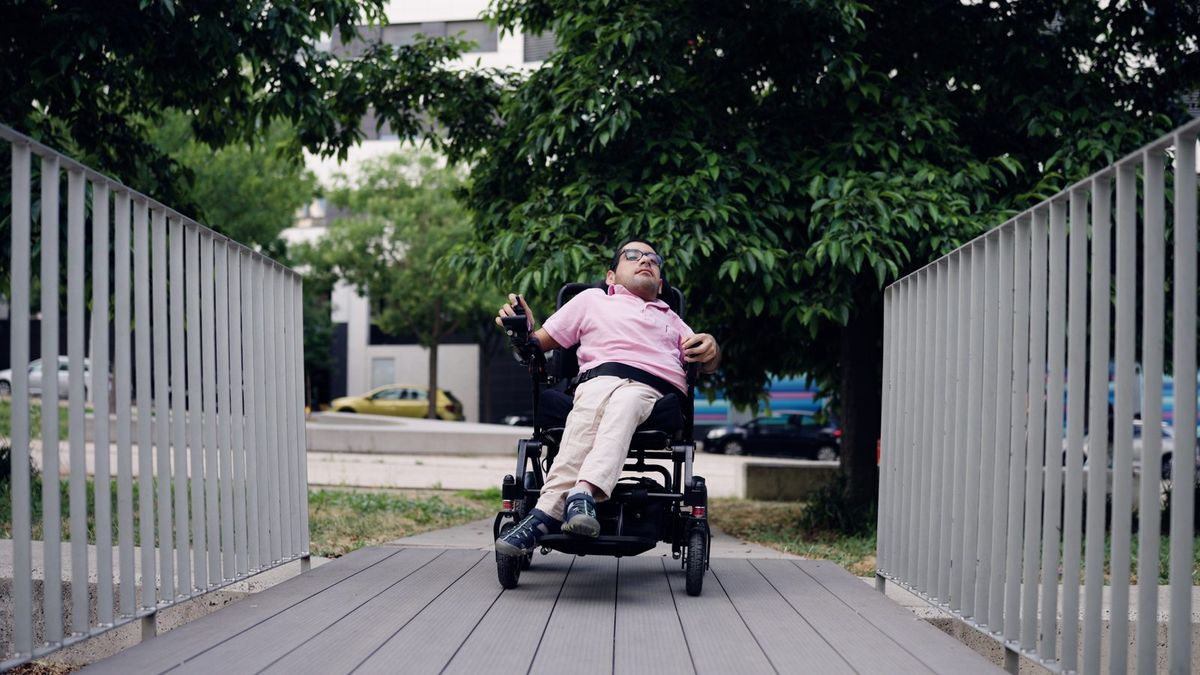
If you depend on power
- Tell your power company. Many utilities have a medical certificate or medical baseline program. It can mean warning before planned shutoffs and, in some places, a lower rate. In California, for example, Medical Baseline covers people who use power wheelchairs and has no income limit.
- Know your battery time. Write down how long your chair and other equipment run on a full charge.
- Have backup power. A spare battery, a portable power station, or a generator. Never run a generator indoors or in a garage.
- Keep a manual chair or other way to move if you can.
- Tell your local emergency management office that you depend on power. Many keep a list.
If you have to leave
- Plan an accessible ride ahead of time. Ask your transit agency how paratransit works in an evacuation.
- Know where accessible shelters are. Shelters must be accessible and must let you bring your mobility aids and a service animal.
- Pack chargers, cords, a cushion, medicines, and supplies for at least a week.
- Keep a copy of your My Equipment card with you.
Make your plan
Fill this in, print it, and give a copy to someone you trust.
Help during a disaster
Disability and Disaster Hotline
Call or text 800-626-4959, any time, for help before, during, and after a disaster.
FEMA: people with disabilities
Checklists for making a plan and a kit.
In danger right now
Call 911.
Last reviewed: October 2026. Laws, dollar amounts, and program rules change. Check with the agency named on this page before you make a decision. Report outdated or wrong information.